
Bipolar disorder is a multifaceted mental health condition characterized by extreme shifts in mood, energy, and activity levels. These changes, known as manic and depressive episodes, can have a profound impact on an individual’s overall quality of life, relationships, and daily functioning.
Understanding Extreme Mood Swings
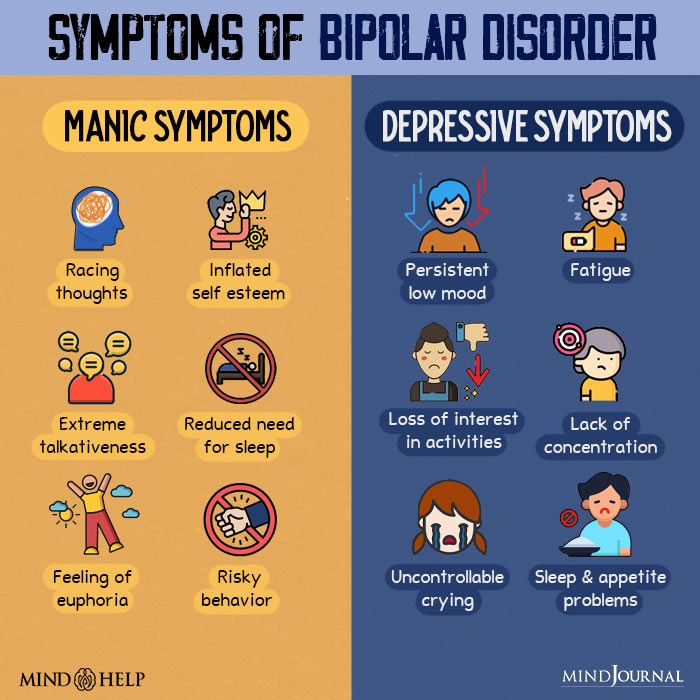
Bipolar disorder is characterized by two main mood states—mania and depression—each presenting a unique set of challenges.
Mania brings an intense sense of euphoria, boundless energy, and inflated self-esteem. A person in a manic state may experience racing thoughts, talk excessively, or struggle to concentrate. Impulsive behaviors, such as overspending or making risky decisions, are common. In severe cases, mania can lead to delusions or hallucinations, making it overwhelming for both the individual and their loved ones. A valuable resource is “An Unquiet Mind” by psychiatrist Kay Redfield Jamison, who shares her personal and professional insights into mania and its impact.
Depression in bipolar disorder is the stark opposite. Individuals may feel deeply sad, hopeless, and devoid of energy. Anhedonia, or the loss of interest in once-enjoyed activities, often accompanies this state. Sleep disturbances, changes in appetite, and extreme fatigue are also common. In severe cases, thoughts of death or suicide can arise. For a deeper understanding, “Bipolar Disorder: A Guide for Patients and Families” by Francis Mark Mondimore offers practical advice for managing bipolar depression.
Understanding Types of Bipolar Disorder
Bipolar disorder exists in various forms, each presenting unique challenges and requiring tailored approaches to treatment.
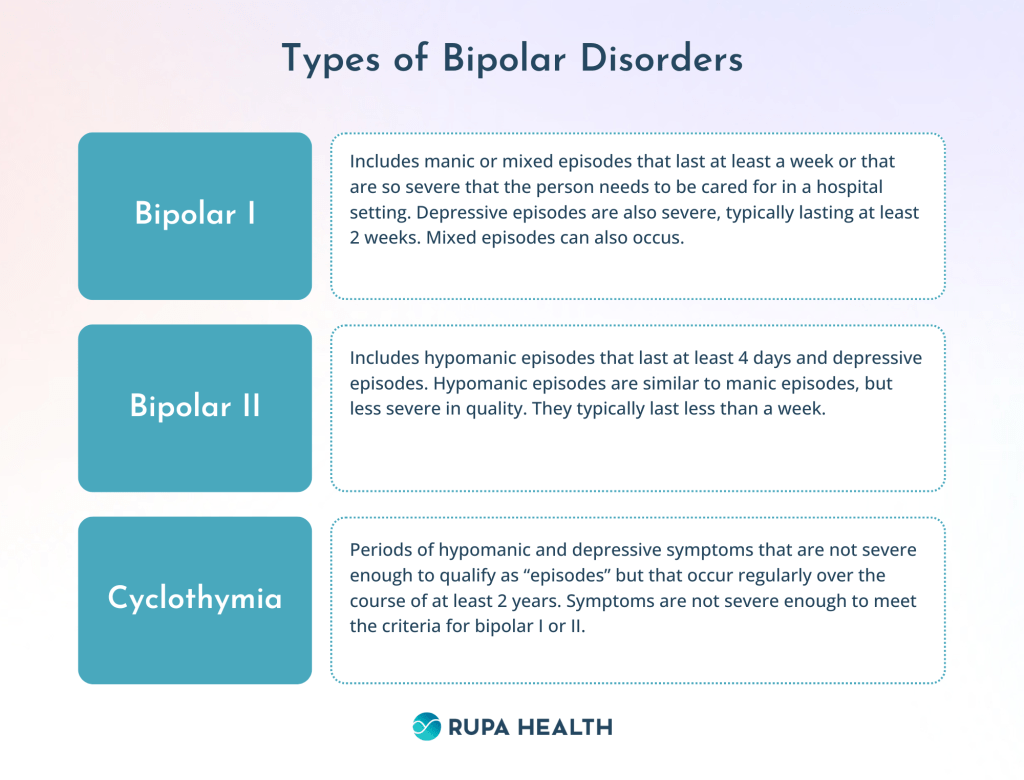
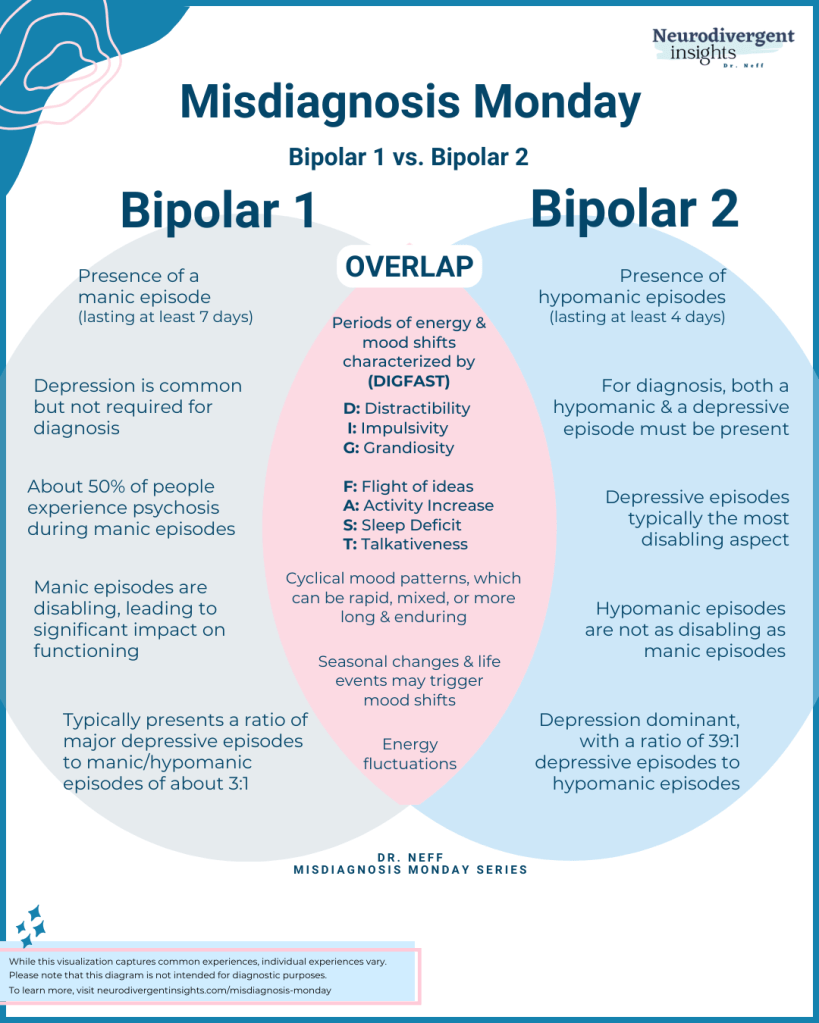
Bipolar 1 Disorder is marked by full-blown manic episodes, which may be followed by depressive episodes. Manic episodes can significantly disrupt daily life, leading to impulsive behaviors, racing thoughts, and extreme euphoria, often requiring medical intervention.
Bipolar 2 Disorder features episodes of hypomania, which are less intense than full mania, along with major depressive episodes. While hypomanic states may not be as disruptive, the accompanying depressive episodes can deeply affect the individual’s emotional well-being and ability to function.
Cyclothymic Disorder is a milder form of bipolar disorder characterized by cycles of hypomania and depression. While symptoms may not be as severe as those in Bipolar 1 or 2, they can still affect relationships, work, and overall quality of life.
A helpful resource is “The Bipolar Disorder Survival Guide” by renowned psychologist David J. Miklowitz. This book offers a comprehensive overview of the types of bipolar disorder and practical management strategies. Miklowitz emphasizes the importance of personalized treatment plans and family involvement in the recovery process, underscoring the value of a supportive network for managing bipolar disorder effectively
Bipolar Disorder VS Bipolar Disorder
Causes and Risk Factors of Bipolar Disorder
Bipolar disorder arises from a combination of genetic, biological, and environmental factors, making it a complex condition with no single cause.
Genetic Factors
Research highlights the role of genetics in bipolar disorder. Twin studies, such as McGuffin et al. (2003), show that the likelihood of developing bipolar disorder is significantly higher in monozygotic twins (who share identical genetic information) than in dizygotic twins. This indicates a strong genetic component.
Biological Factors
Imbalances in neurotransmitters—brain chemicals that regulate mood, sleep, and appetite—are closely linked to bipolar disorder. These neurotransmitters include serotonin, dopamine, and norepinephrine. Changes in brain structure and function, such as reduced hippocampal volume, also play a role in the condition’s development.
Environmental Factors
Traumatic or stressful life events can act as triggers for manic or depressive episodes. Chronic stress at work, home, or other aspects of life further exacerbates symptoms. Additionally, substance use, including alcohol and drugs, can increase the risk of triggering or worsening bipolar disorder episodes.
Treatment and Management of Bipolar Disorder
Managing bipolar disorder typically involves a combination of therapy, medication, and lifestyle changes tailored to the individual’s needs.
Therapy
Cognitive Behavioral Therapy (CBT) is a widely used therapeutic approach that helps individuals identify and challenge negative thought patterns while developing coping skills to manage mood swings. The book “Cognitive-Behavioral Therapy for Bipolar Disorder” by Monica Ramirez Basco and A. John Rush provides a detailed guide on applying CBT in bipolar treatment.
Medications
Medications are a cornerstone of managing bipolar disorder. Antipsychotics and antidepressants, such as Selective Serotonin Reuptake Inhibitors (SSRIs), help balance neurotransmitters in the brain, reducing symptoms of depression. Mood stabilizers, like lithium, are particularly effective in managing manic and depressive episodes. NOTE: Always consult a psychiatrist before starting any medication.
Lifestyle Changes
Positive lifestyle adjustments can significantly improve mental health. Regular exercise, a balanced diet, and adequate sleep contribute to emotional stability. Social support through participation in support groups or community activities helps reduce isolation and fosters emotional well-being.
Effective Support Strategies for Bipolar Disorder
Supporting someone with bipolar disorder requires empathy, education, and practical actions to foster a safe and understanding environment. Here are some effective strategies to provide meaningful support:
Educate Yourself
Understanding bipolar disorder helps break misconceptions and empowers you to be an informed ally. Read books, watch documentaries, and attend workshops on mental health. Reliable sources like the American Psychological Association (APA) and the National Alliance on Mental Illness (NAMI) offer credible information, articles, and guides. You can also attend mental health seminars or consult psychologists and psychiatrists to gain deeper insights into the condition and treatment options.
Joining support groups for family and friends of people with bipolar disorder can also be helpful. These groups provide a space to share experiences, learn from others, and receive emotional support. Additionally, consider taking online courses on mental health to deepen your knowledge further.
Be a Good Listener
People with bipolar disorder often need someone to listen without judgment. Create a space where they feel safe to express their feelings and concerns. Pay close attention, not just to their words but also to their tone, body language, and expressions. Avoid interrupting or offering immediate solutions.
Ask open-ended questions like, “How are you feeling today?” or “What would you like to share with me?” Use validation phrases such as, “I understand this must be hard for you” or “I’m here for you.” This approach helps the individual feel understood and supported without feeling pressured.
Encourage Professional Help
Professional diagnosis and treatment are essential for managing bipolar disorder. Cognitive Behavioral Therapy (CBT) and interpersonal therapy are proven approaches that help challenge negative thoughts and develop coping mechanisms. Books like “Feeling Good: The New Mood Therapy” by David D. Burns explore CBT’s effectiveness in addressing mood disorders.
Medication, such as mood stabilizers and antipsychotics, can also play a vital role in treatment. Always encourage the person to consult a psychiatrist before starting any medication, as treatment is highly individualized. Offer to help find a therapist or psychiatrist and accompany them to appointments if they’re comfortable.
Offer Practical Support
Daily responsibilities can feel overwhelming for someone with bipolar disorder. Help with tasks like cleaning, grocery shopping, or preparing meals. Create a task list and offer to help with one item weekly. Books like “The Mindful Way Through Depression” highlight mindfulness practices that promote calm and emotional resilience. Participate in mindful activities like guided meditations or walks with the person.
Promote Healthy Activities
Encourage activities like regular physical exercise, which can reduce symptoms of depression and stabilize mood. Books like “Spark: The Revolutionary New Science of Exercise and the Brain” by John J. Ratey emphasize the mental health benefits of exercise. Promote healthy eating, including omega-3-rich foods like fatty fish and antioxidant-rich fruits and vegetables.
Adequate sleep is equally critical. Help the individual establish a regular sleep routine and create a relaxing environment to improve sleep quality.
Practice Patience
Recovery is a gradual process, and progress may be slow. Offer consistent support and celebrate small victories to keep the person motivated. By showing empathy and being present, you can make a meaningful difference in their journey toward recovery and emotional well-being.
What to Avoid When Supporting Someone with Anxiety
Supporting someone with anxiety requires sensitivity and awareness of actions that might unintentionally make things worse.
1. Minimize Their Feelings
Avoid dismissive phrases like “don’t worry” or “that’s nothing.” While intended to comfort, such remarks can make the person feel misunderstood or unappreciated, deepening their distress.
2. Push for Quick Fixes
Anxiety isn’t something that can be solved overnight. Pressuring the person to “get over it” or expecting immediate progress can increase their stress and make them feel inadequate.
3. Take Control
Helping is valuable, but taking full control of their decisions or responsibilities can leave them feeling powerless and overly dependent, undermining their confidence.
4. Ignore Your Own Boundaries
Supporting someone shouldn’t come at the expense of your own well-being. Neglecting your boundaries can lead to burnout, making it harder to provide consistent support.
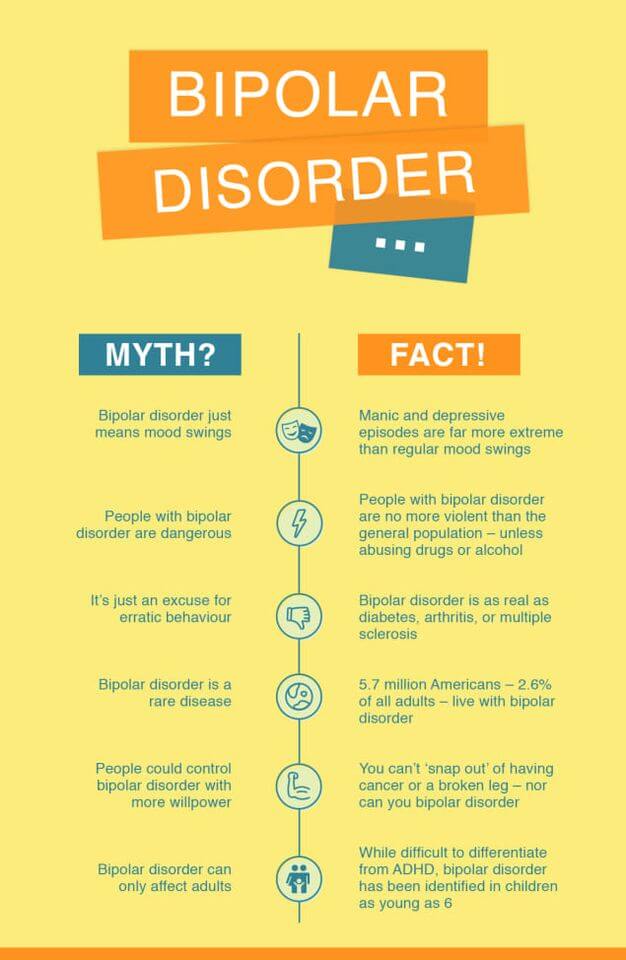
Myths VS Facts
A lot of misinformation regarding Bipolar Disorder is circulated around the internet, hence it is required to clarify the facts regarding Bipolar Disorder by comparing with the myths associated with it
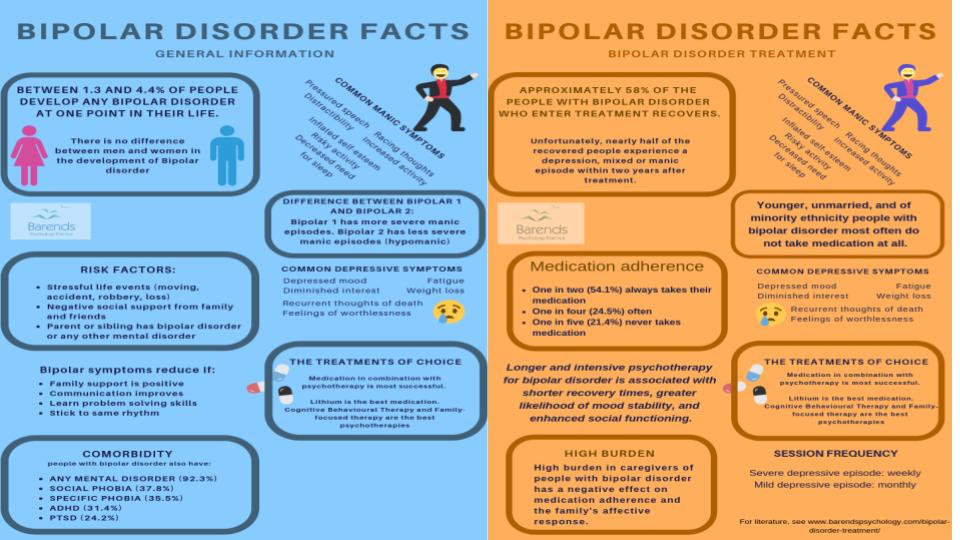
General Bipolar Disorder Facts
There are some general facts regarding Bipolar Disorder which I thought would be interesting to share. Feel free to go through them!
References
1. Welcoming Hands: Strategies and Care to Help Those Who Face Psychological Disorders by Gabriel Rocha
Thank you for taking the time to read and support this initiative toward mental health! Together, we can make a difference!
This article was written by Dhruv Lagare
 SootheNest
Leave a comment