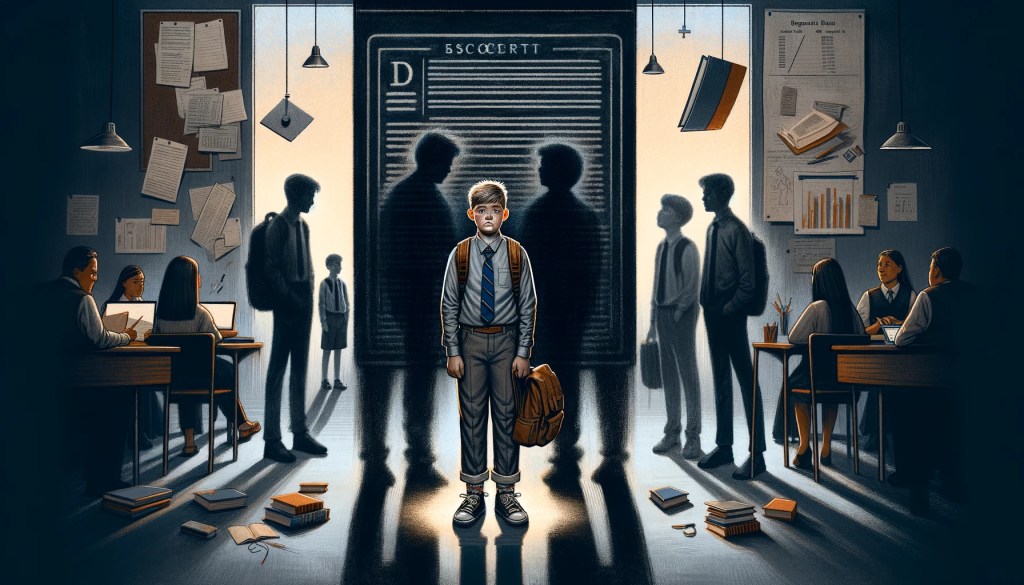
At just 16, he navigates a world filled with expectations and self-doubt, balancing the weight of academic pressure with personal insecurities. His story reflects the experiences of countless teens striving to meet external standards while wrestling with inner struggles.
“Academics are always on my mind,” he admits, his voice carrying a mix of determination and worry. Like many students his age, grades and exams feel like the cornerstone of his future. “I’m not just concerned about meeting my goals,” he continues. “It’s also about living up to everyone else’s expectations.” Family, teachers, and even peers add to this invisible burden, leaving him constantly questioning if he’s doing enough.
For him, it’s not just about achieving a certain score—it’s the fear of what falling short might mean. “What if I disappoint someone? What if I let myself down?” These questions linger as he juggles hours of study sessions, the pressure of performance, and the desire to succeed in a highly competitive world.
But academics are only part of his story. In the quiet moments between study sessions, another concern looms large: his body image. “I’m really conscious about my height,” he shares hesitantly. At 16, the world’s obsession with appearance can feel suffocating, and for him, being shorter than his peers amplifies those feelings.
His height, a feature he has no control over, has become a source of insecurity. “Sometimes I feel like I don’t measure up—literally and figuratively,” he confesses with a nervous laugh. While he tries to brush off comments or comparisons, they often echo in his mind, reinforcing a self-critical inner voice.
His story is one of contrasts—ambition and anxiety, hope and hesitation. He dreams of excelling in school and achieving his goals but battles with self-doubt every step of the way. Similarly, he wishes to embrace himself fully but finds it hard when societal ideals of beauty and stature seem so unrelenting.
Through his words, he paints a picture of the teenage experience: a time of immense pressure, both internal and external, where every decision and every perceived flaw feels magnified. Yet, his openness also carries a message of resilience. By sharing his struggles, he invites a conversation about the challenges teens face, from the relentless push to achieve academically to the quiet insecurities about appearance.
His journey is a call for empathy—from parents, educators, and peers. It’s a reminder to create spaces where teens can feel supported rather than scrutinized, and to celebrate progress over perfection. For him, and so many others, small acts of understanding could make all the difference in navigating these formative years.


 SootheNest
Leave a comment